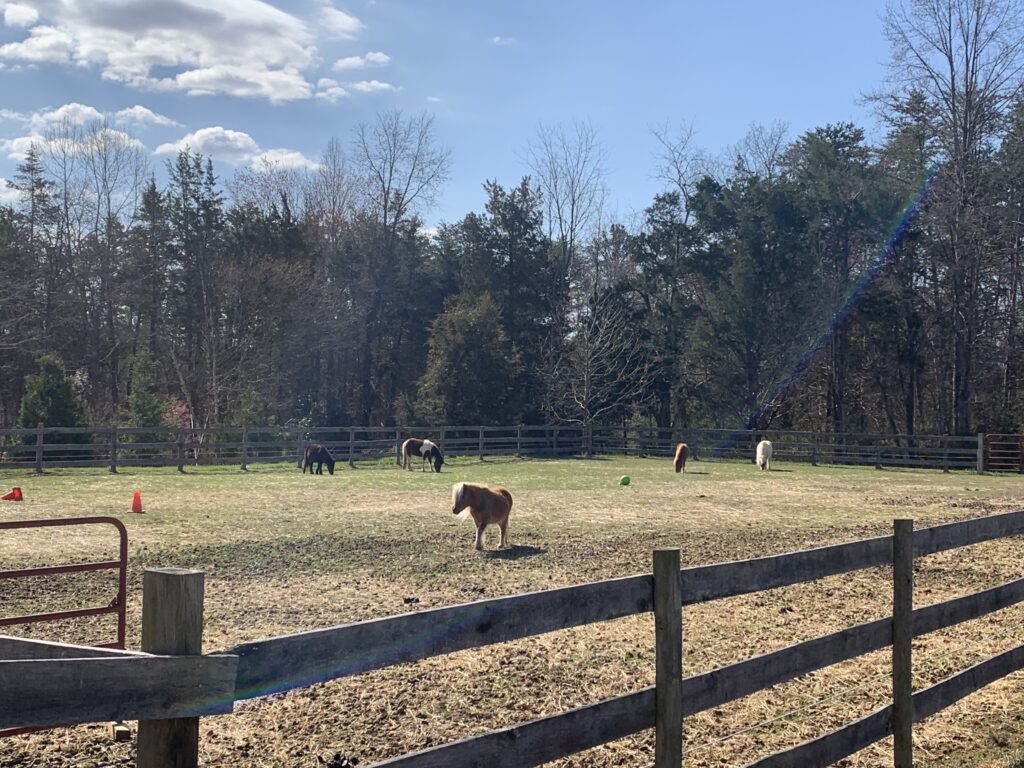
There are many wonderful benefits to owning horses. Not only are they beautiful to look at, therapeutic to interact with, but they also produce incredibly rich manure which can be used in many ways around the farm to help improve and amend the soil.
When keeping horses on your own farm, manure management quickly becomes a necessary aspect of farm life. Whether you pick your paddocks, stalls or run-in shelters, horse owners almost always need to have a plan for what to do with the manure. Most often manure is accumulated in a large pile, but some larger farms choose to use a manure spreader and regularly spread it out on the fields.
No matter how you choose to store or spread your manure, it is something that all horse care facilities will need to think about because it will accumulate fast and is a continuous byproduct of these beloved animals. It is estimated that the average 1,000 pound horse will produce around 50 pounds of manure per day. This does not include soiled bedding or hay.
When we first adopted our miniature horses in the fall of 2024, we were quickly surprised by the sheer volume of manure they produced in comparison to their smaller size. Although they only weighed a fraction of a full-size horse, they still seemed to produce 3/4 as much manure. Or so it seemed.
Here at Care-A-Lot Farm our minis live in smaller fields and paddocks, and so we like to pick them every day and remove all manure. Throughout the winter months, we had been adding our daily wheelbarrow load to a growing manure pile, but as spring began to approach, we started to notice that the pile was beginning to smell stronger and was in need of being turned. Unfortunately, our tractor bucket was out of commission and so we needed to pivot to a different plan of action.
This is when we decided to begin spreading the contents of our current manure pile as well as the fresh daily manure we collected. We decided the perfect place for this would be in our front paddock where we were having difficulty growing grass. We knew that the fresh horse manure would not only provide additional nutrients and help amend the soil, but the seeds from the hay might aid in helping to grow more grass. Tip: When spreading manure, be sure to spread it in a thin layer to help it dry and break down faster.
After several weeks we began to see the first signs of tender green grass popping up from the newly spread manure. We continued this spreading technique for several months, and by June, almost all of the paddock was green.
Although the field was now green, not everything that had sprouted was grass. Upon closer inspection we could see that several weeds were in the mix, but the mud and red clay soil had successfully been covered. A future step for the coming seasons will be to increase the amount of grass and continue the process of weed control through proper pasture management.
Horse manure is a wonderfully rich organic material that can be used in many ways around the farm, but be mindful when spreading fresh manure, as it will have the potential to introduce grass as well as other weed seeds into your current field or garden plot.
A large manure pile that is turned and tended often or a compost system are a couple of ways to help your manure break down and eventually turn into the rich soil we know it has the potential of becoming. The heat generated in a well-managed manure pile or compost system will also kill any of the seeds or parasite eggs within it and prevent them from germinating and spreading in the future. Tip: If you spread fresh manure in your field, you may want to consider having fecal egg counts done on your horses periodically to ensure they do not have high parasite loads due to potential exposure.
If you are like us, then you don’t mind picking the paddocks because you know that it helps keep your horses healthy and happy, it keeps your farm looking beautiful, and when composted properly it can generate incredibly rich soil for future use around the farm or garden. Happy picking!!!